


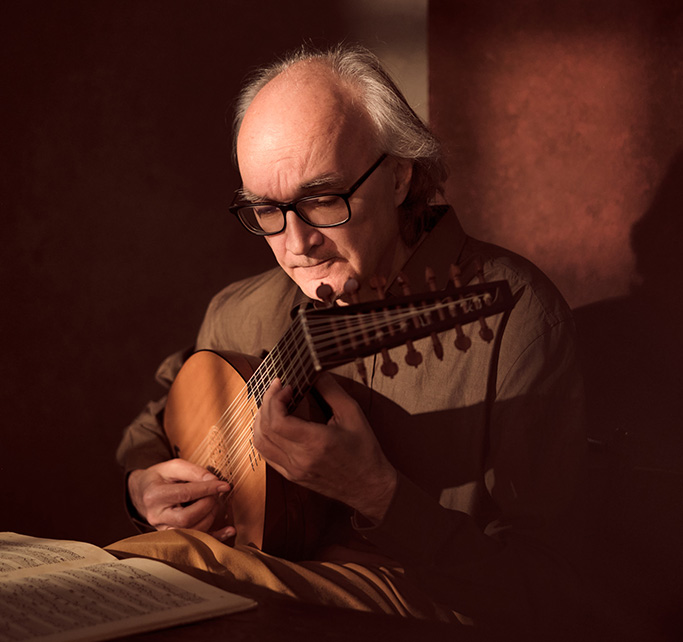
Andreas Martin
Description
Andreas Martin’s musical journey began, like that of many lutenists, with the classical guitar, which he studied from childhood. After completing his early education, he moved to Milan to study at the Conservatorio di Musica Giuseppe Verdi under Ruggero Chiesa, the eminent musicologist renowned for his work on the transcription of lute tablature into modern notation. During these formative years, he developed a deep interest in Renaissance music, focusing particularly on repertoire originally conceived for the lute, including Italian ricercari and fantasias by Francesco da Milano and his contemporaries, Elizabethan ballad tunes, and the works of John Dowland, the celebrated “English Orpheus.”
This growing fascination led him to devote himself fully to the lute. Alongside his musical studies, he pursued Romance languages, including a period at the University of Heidelberg, where he acquired his first Renaissance lute. Recognizing that the lute is not simply a guitar but an instrument with its own delicate construction and unique technical demands, he sought specialized training. Its light build and double-string courses require a refined approach to sound production—less plucking than touching, or even caressing. This understanding led him to continue his studies at the Schola Cantorum Basiliensis in Basel, one of the world’s foremost institutions for early music, where he studied with Eugen Dombois and Hopkinson Smith.
For several decades, he has dedicated himself to honoring the lute both as a performer and pedagogue. Through concerts and teaching, he seeks to convey the instrument’s soft, mesmerizing voice, inviting listeners into a more conscious, introspective form of listening. In an increasingly fast-paced world, his work with the lute offers a return to stillness, depth, and an intimate connection with music—and ultimately, with ourselves.
Description
Andreas Martin’s musical journey began, like that of many lutenists, with the classical guitar, which he studied from childhood. After completing his early education, he moved to Milan to study at the Conservatorio di Musica Giuseppe Verdi under Ruggero Chiesa, the eminent musicologist renowned for his work on the transcription of lute tablature into modern notation. During these formative years, he developed a deep interest in Renaissance music, focusing particularly on repertoire originally conceived for the lute, including Italian ricercari and fantasias by Francesco da Milano and his contemporaries, Elizabethan ballad tunes, and the works of John Dowland, the celebrated “English Orpheus.”
This growing fascination led him to devote himself fully to the lute. Alongside his musical studies, he pursued Romance languages, including a period at the University of Heidelberg, where he acquired his first Renaissance lute. Recognizing that the lute is not simply a guitar but an instrument with its own delicate construction and unique technical demands, he sought specialized training. Its light build and double-string courses require a refined approach to sound production—less plucking than touching, or even caressing. This understanding led him to continue his studies at the Schola Cantorum Basiliensis in Basel, one of the world’s foremost institutions for early music, where he studied with Eugen Dombois and Hopkinson Smith.
For several decades, he has dedicated himself to honoring the lute both as a performer and pedagogue. Through concerts and teaching, he seeks to convey the instrument’s soft, mesmerizing voice, inviting listeners into a more conscious, introspective form of listening. In an increasingly fast-paced world, his work with the lute offers a return to stillness, depth, and an intimate connection with music—and ultimately, with ourselves.
Releases
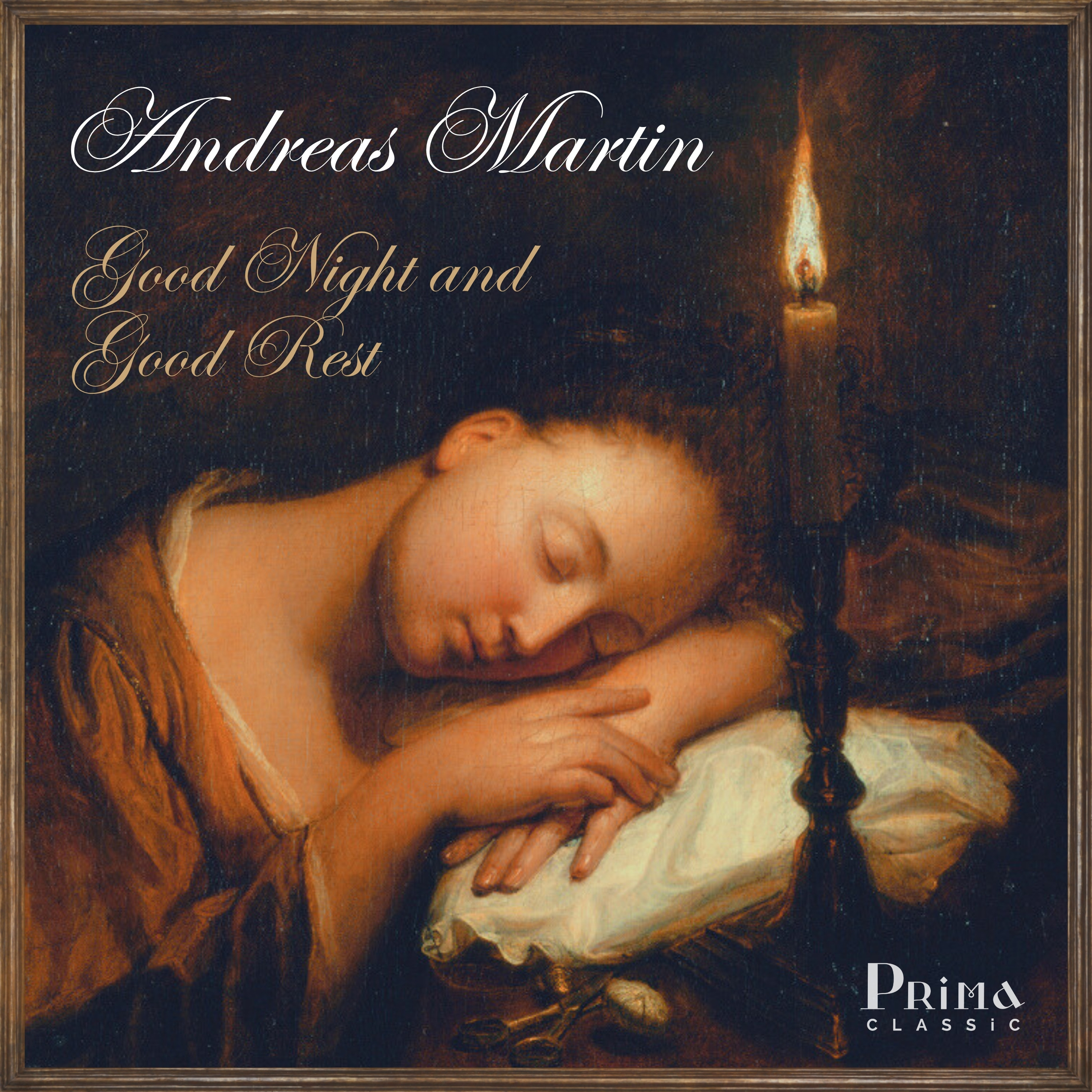
Andreas Martin – Good Night and Good Rest
Releases
Andreas Martin – Good Night and Good Rest