


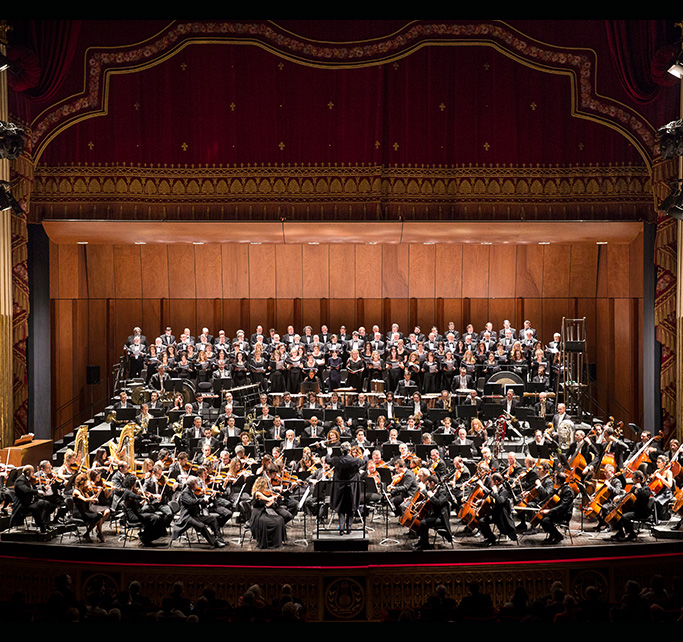
Orchestra of the Teatro di San Carlo
Description
The Orchestra of the Teatro di San Carlo shares a storied history with Europe’s oldest opera house, inaugurated on November 4, 1737, with Achille in Sciro by Domenico Sarro. Throughout the 19th century, the ensemble became renowned for performing works specifically composed for it by Rossini, Bellini, Donizetti, and Verdi. The orchestra expanded its expertise in the symphonic repertoire during the 20th century.
Many legendary conductors have led the ensemble, including Arturo Toscanini and Victor de Sabata, alongside composers such as Ildebrando Pizzetti and Pietro Mascagni. On January 8, 1934, Richard Strauss personally conducted a concert of his own works with the orchestra. The ensemble also premiered landmark operas, including Francesca da Rimini by Riccardo Zandonai (1921) and Fedra by Ildebrando Pizzetti (1924).
In the decades surrounding World War II, the orchestra collaborated with eminent conductors such as Marcel Gui, Tullio Serafin, Santini, Gavazzeni, Karl Böhm, Ferenc Fricsay, Hermann Scherchen, André Cluytens, Wilhelm Knappertsbusch, Dimitri Mitropoulos, and Igor Stravinsky. The 1960s saw the debuts of two future masters on its podium: Claudio Abbado in 1963 and Riccardo Muti in 1967.
In the 1990s, under the influence of Salvatore Accardo, the orchestra experienced a significant revival of its symphonic activity, working with renowned conductors including Giuseppe Sinopoli. Entering the 2000s, the revitalized San Carlo Symphony Orchestra continued its tradition of excellence under the guidance of distinguished maestros such as Georges Prêtre, Mstislav Rostropovich, and Jeffrey Tate.
Description
The Orchestra of the Teatro di San Carlo shares a storied history with Europe’s oldest opera house, inaugurated on November 4, 1737, with Achille in Sciro by Domenico Sarro. Throughout the 19th century, the ensemble became renowned for performing works specifically composed for it by Rossini, Bellini, Donizetti, and Verdi. The orchestra expanded its expertise in the symphonic repertoire during the 20th century.
Many legendary conductors have led the ensemble, including Arturo Toscanini and Victor de Sabata, alongside composers such as Ildebrando Pizzetti and Pietro Mascagni. On January 8, 1934, Richard Strauss personally conducted a concert of his own works with the orchestra. The ensemble also premiered landmark operas, including Francesca da Rimini by Riccardo Zandonai (1921) and Fedra by Ildebrando Pizzetti (1924).
In the decades surrounding World War II, the orchestra collaborated with eminent conductors such as Marcel Gui, Tullio Serafin, Santini, Gavazzeni, Karl Böhm, Ferenc Fricsay, Hermann Scherchen, André Cluytens, Wilhelm Knappertsbusch, Dimitri Mitropoulos, and Igor Stravinsky. The 1960s saw the debuts of two future masters on its podium: Claudio Abbado in 1963 and Riccardo Muti in 1967.
In the 1990s, under the influence of Salvatore Accardo, the orchestra experienced a significant revival of its symphonic activity, working with renowned conductors including Giuseppe Sinopoli. Entering the 2000s, the revitalized San Carlo Symphony Orchestra continued its tradition of excellence under the guidance of distinguished maestros such as Georges Prêtre, Mstislav Rostropovich, and Jeffrey Tate.
Releases
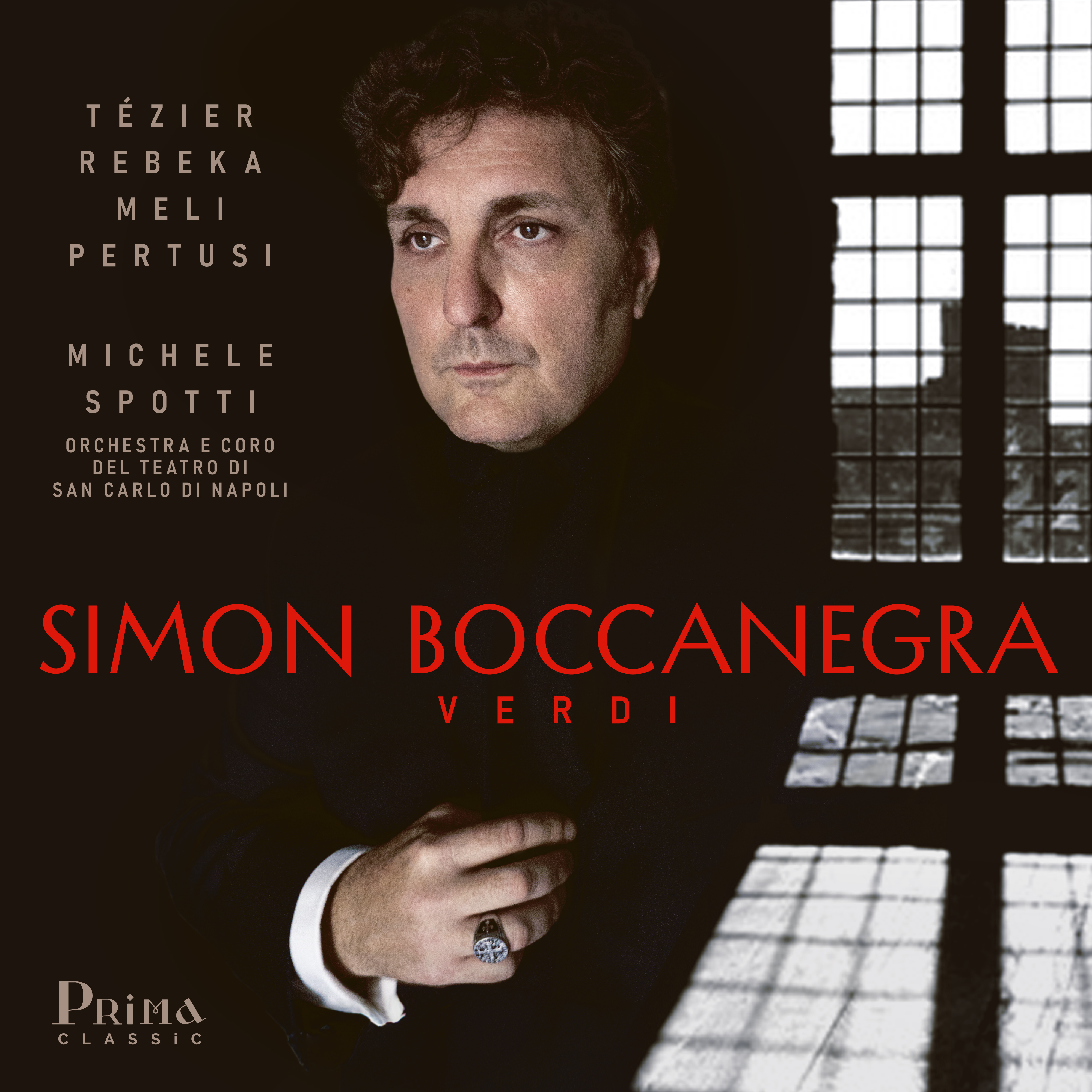
Giuseppe Verdi: Simon Boccanegra
Releases
Giuseppe Verdi: Simon Boccanegra